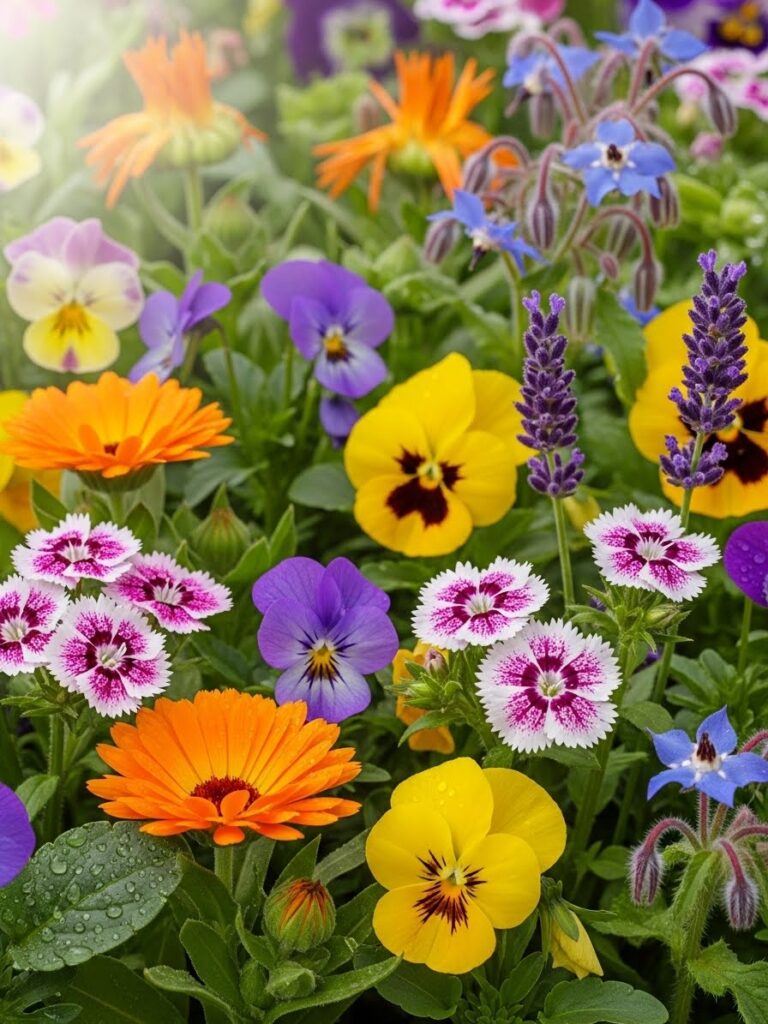
15 Creative Apple Orchard Ideas to Build a Productive, Beautiful, and Profitable Garden Space

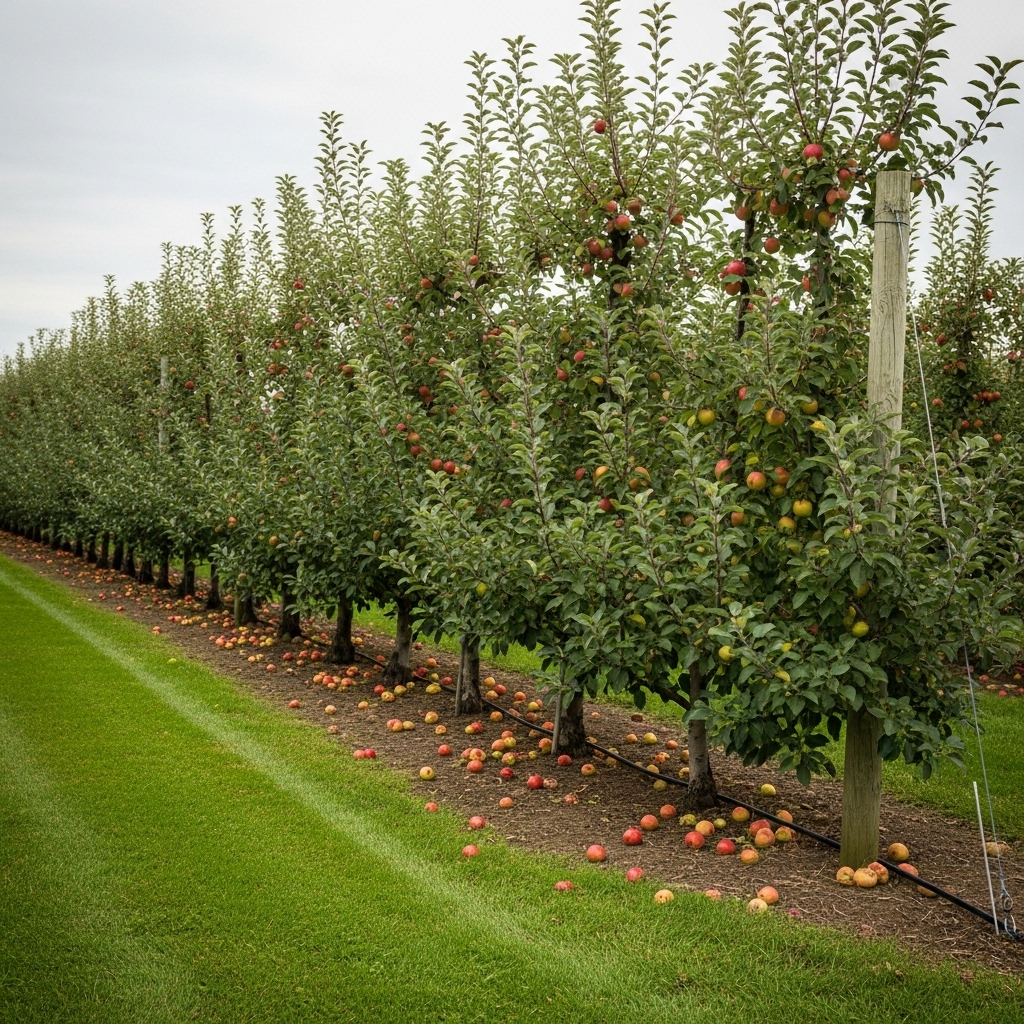
An apple orchard can be far more than rows of fruit trees—it can become a functional, beautiful, and inspiring outdoor space. With thoughtful planning, even a small orchard can deliver visual appeal, seasonal harvests, and long-term value. Whether you’re growing apples for personal use or exploring small-scale production, creative orchard ideas help maximize both beauty and yield. This guide explores practical and aesthetic orchard concepts that blend gardening with smart land use. Each idea is designed to support healthy growth, easy maintenance, and a welcoming landscape.
Why Thoughtful Apple Orchard Design Matters
A well-planned apple orchard improves airflow, sunlight exposure, and soil health. Smart layouts reduce disease pressure and simplify pruning and harvesting. Creative orchard designs also make the space more enjoyable to walk through and maintain. When function and aesthetics work together, orchards become long-term assets rather than high-maintenance plots. This balance is key for sustainable fruit gardening.
Creative Apple Orchard Ideas to Explore
Key Orchard Concepts at a Glance
| Orchard Idea | Best For | Main Benefit |
|---|---|---|
| Espalier apple trees | Small spaces | Vertical growth |
| Meadow-style orchard | Large land | Low maintenance |
| Raised bed orchard | Poor soil | Better drainage |
| Mixed fruit orchard | Diversity | Extended harvest |
| Pollinator-friendly layout | All gardens | Higher yields |
| Path-centered orchard | Walkable spaces | Easy access |
| Family orchard zones | Home gardens | Shared use |
| Organic orchard system | Eco-focused growers | Soil health |
| Container apple trees | Patios | Space efficiency |
| Wildlife-friendly orchard | Rural gardens | Natural balance |
| Dwarf tree grid | Urban yards | Compact growth |
| Seasonal orchard design | Visual appeal | Year-round beauty |
| Educational orchard | Schools | Learning value |
| Orchard seating areas | Lifestyle gardens | Relaxation |
| Market-style orchard | Small farms | Income potential |
Espalier Apple Trees for Vertical Interest
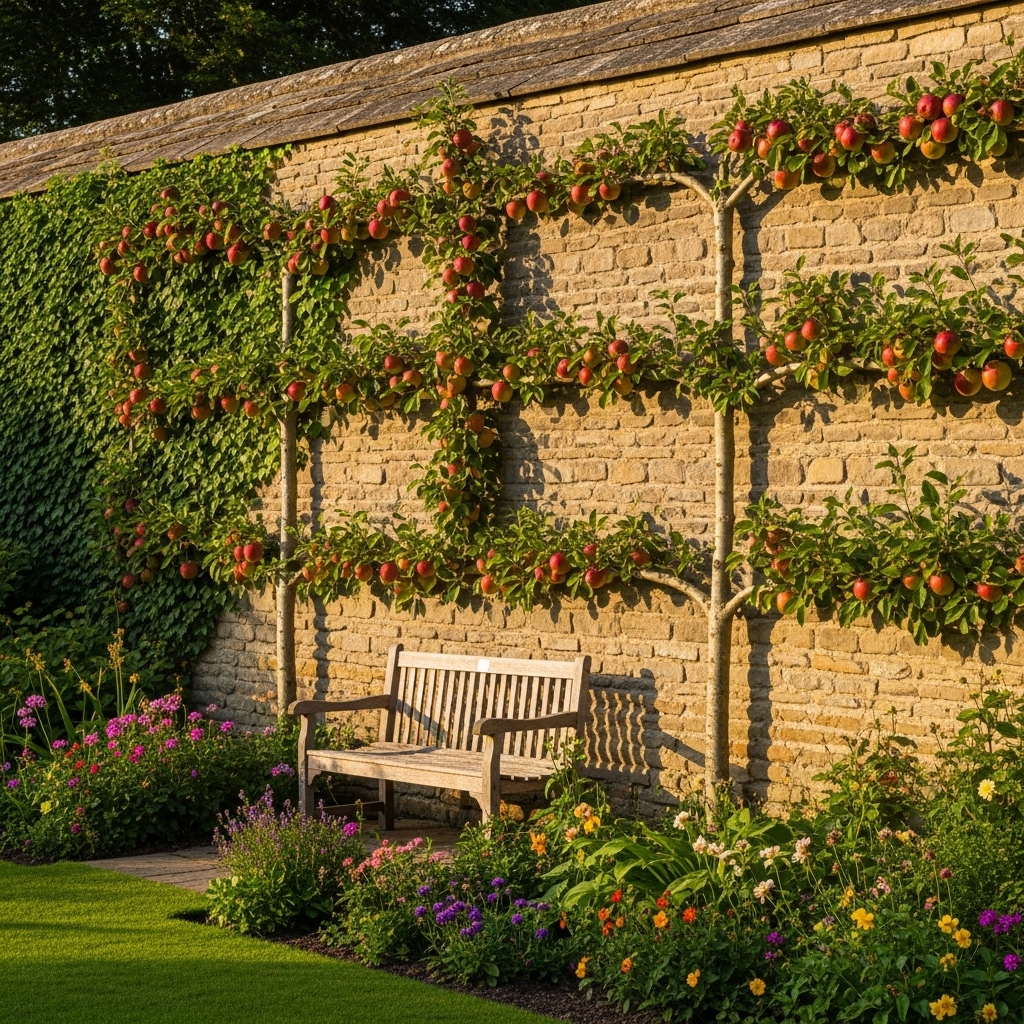
Espaliered apple trees grow flat against walls or frames. This technique saves space while creating a decorative focal point. It works especially well in small gardens or urban yards. Proper pruning encourages fruit production along the branches. The result is both practical and visually striking.
Meadow-Style Orchard Layouts
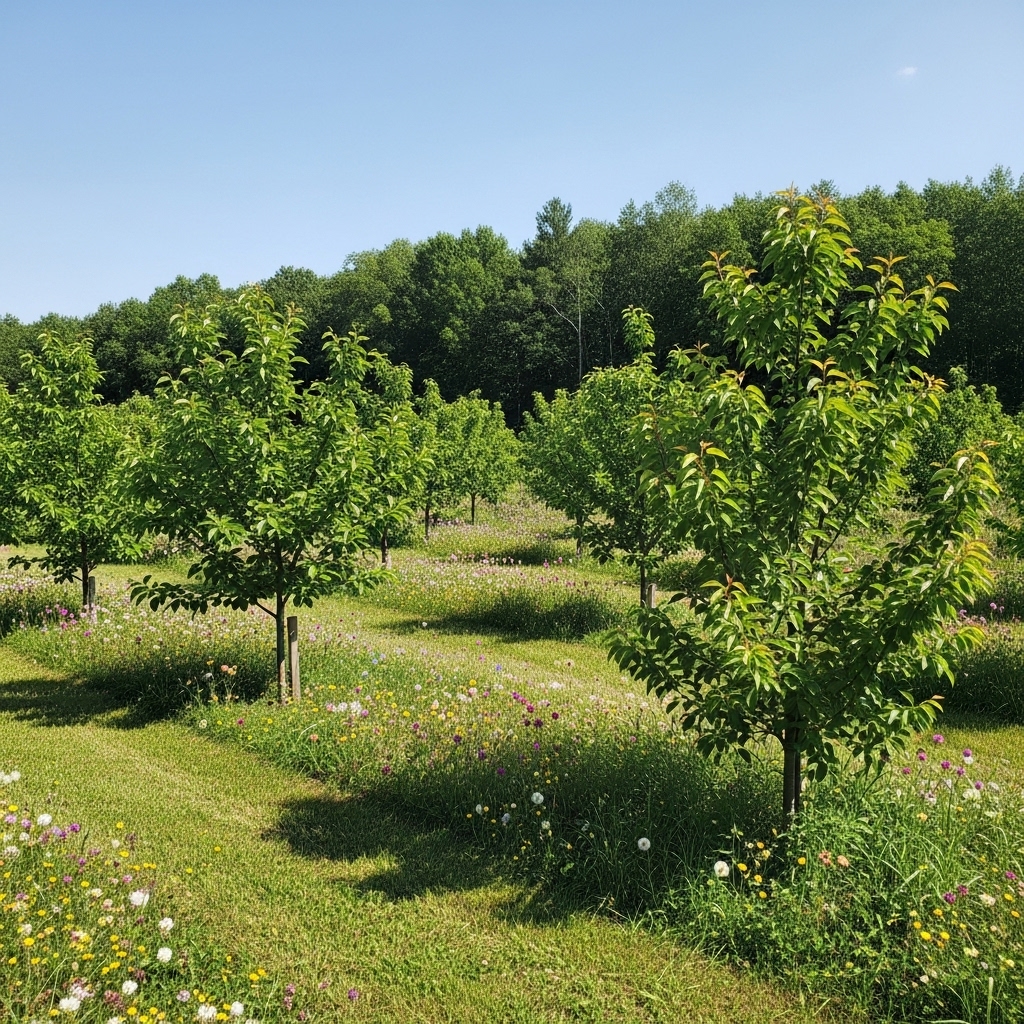
A meadow orchard allows grass and wildflowers to grow beneath trees. This design reduces mowing and supports pollinators. It creates a natural, relaxed appearance. Soil health improves through organic matter buildup. This approach suits large or rural properties beautifully.
Raised Bed Apple Orchards
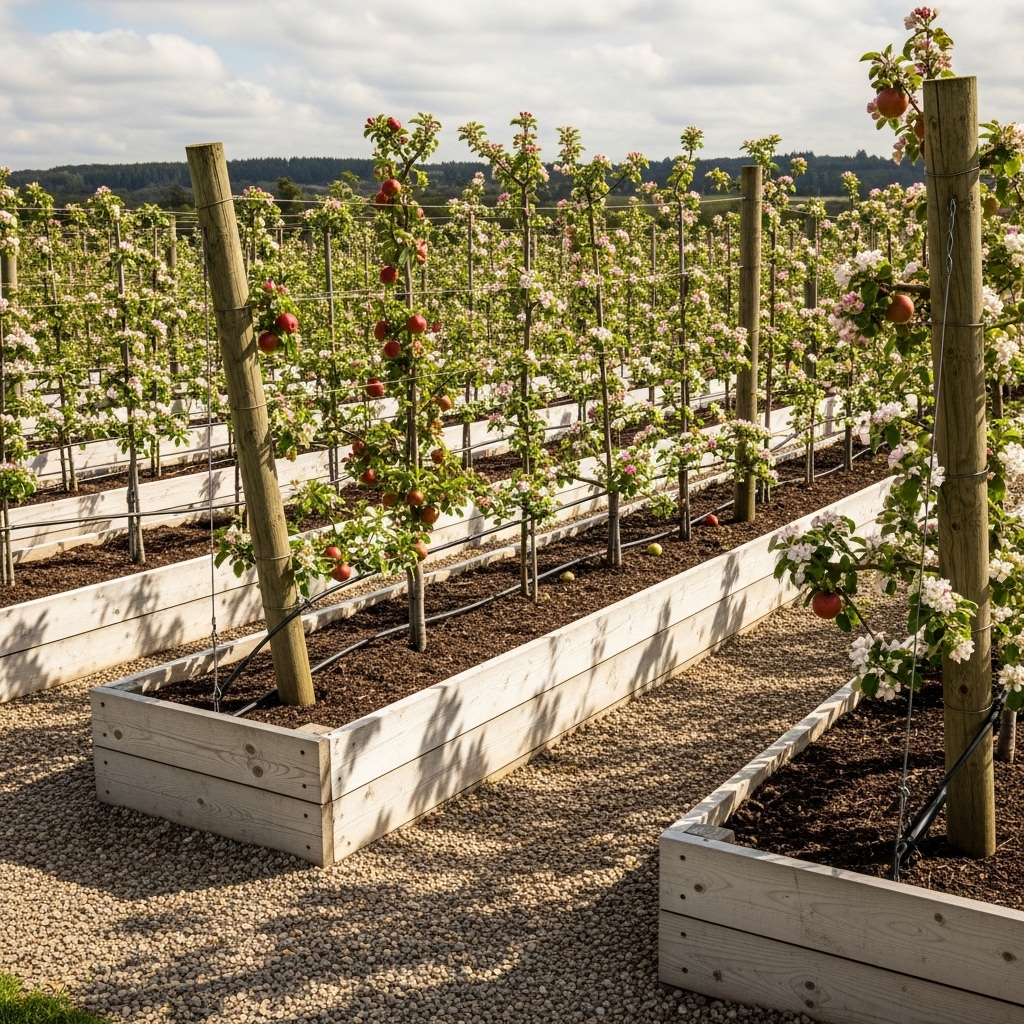
Raised beds improve drainage and soil control. They are ideal for areas with heavy or compacted soil. Tree roots benefit from better aeration. Beds also define planting zones clearly. Maintenance becomes more manageable over time.
Mixed Fruit Orchard Planning
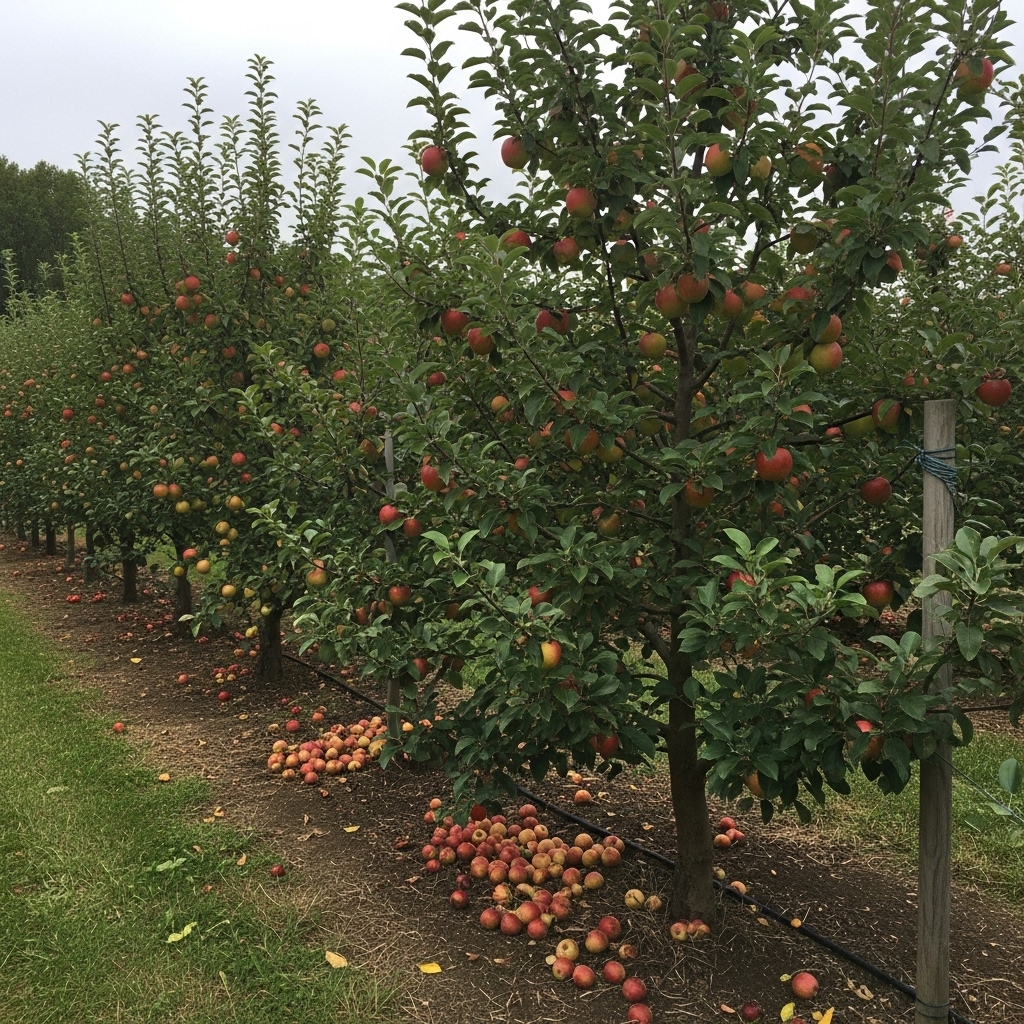
Combining apples with pears, plums, or cherries increases biodiversity. This reduces pest pressure naturally. Harvest seasons are spread out. It keeps the orchard productive for longer periods. The variety adds visual interest as well.
Pollinator-Focused Orchard Design
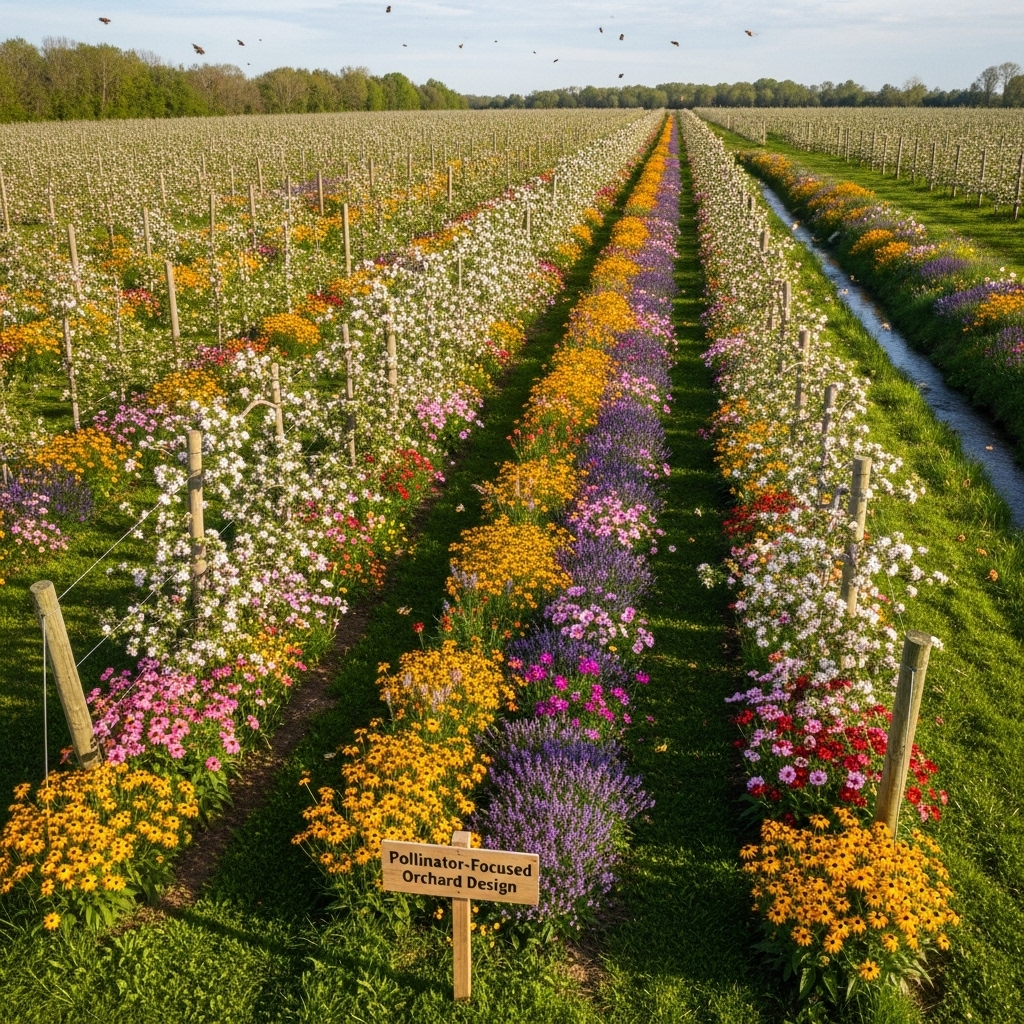
Pollinators are essential for apple production. Planting flowering companions boosts yields. Native plants attract beneficial insects. This design reduces reliance on chemicals. It creates a balanced ecosystem.
Path-Centered Orchard Layouts
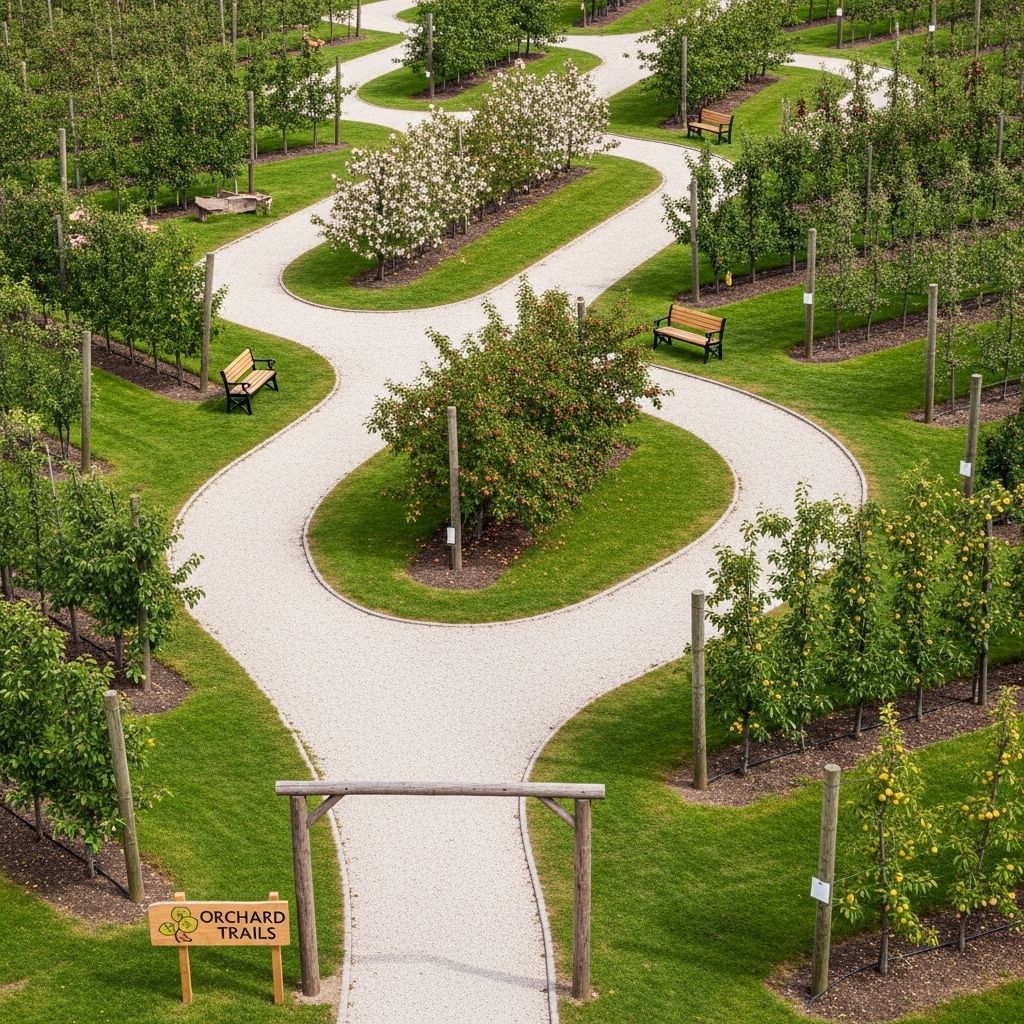
Defined paths improve access and organization. They make pruning and harvesting easier. Paths also guide visitors through the orchard. This design enhances usability and appearance. It works well for family or public orchards.
Family-Friendly Orchard Zones
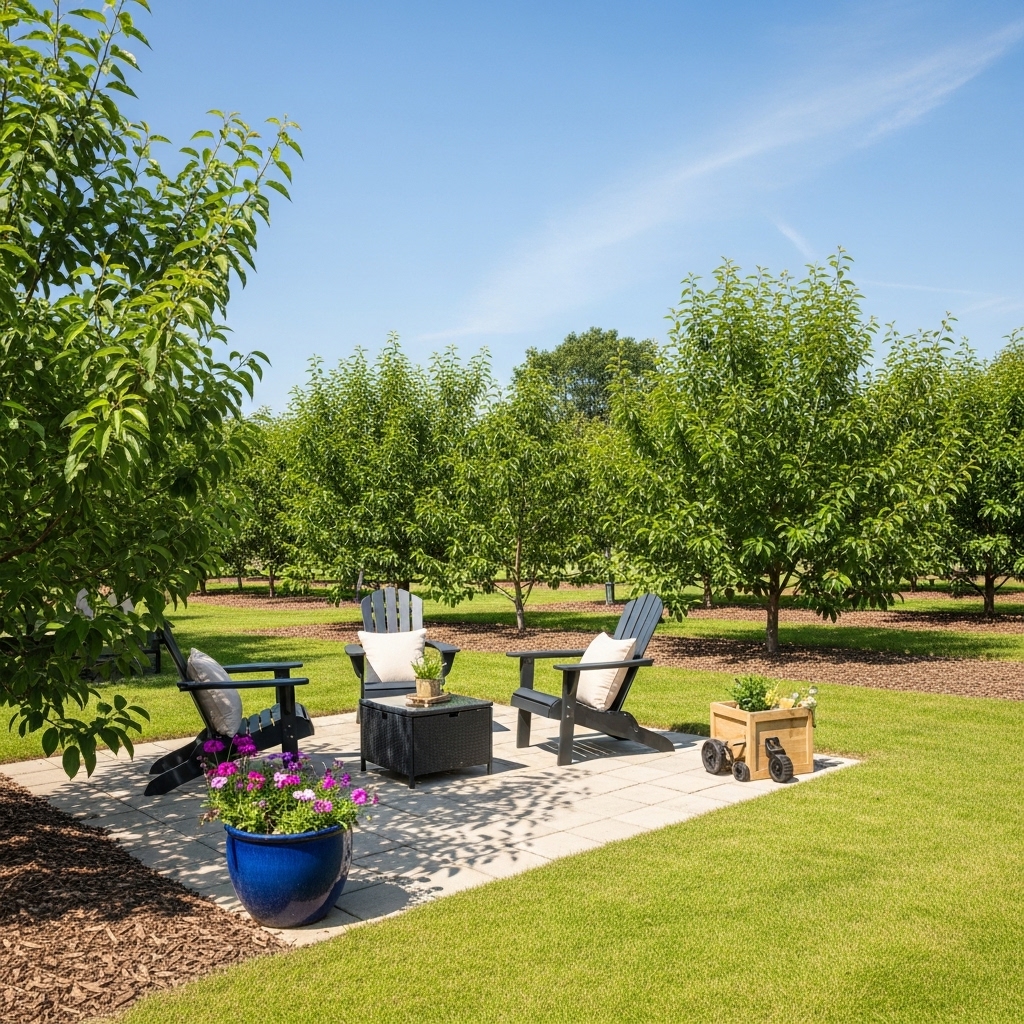
Designing spaces for seating or play adds value. Orchards become gathering spaces rather than work zones only. This encourages regular use and care. It blends productivity with lifestyle gardening. The orchard becomes part of daily life.
Organic Apple Orchard Systems
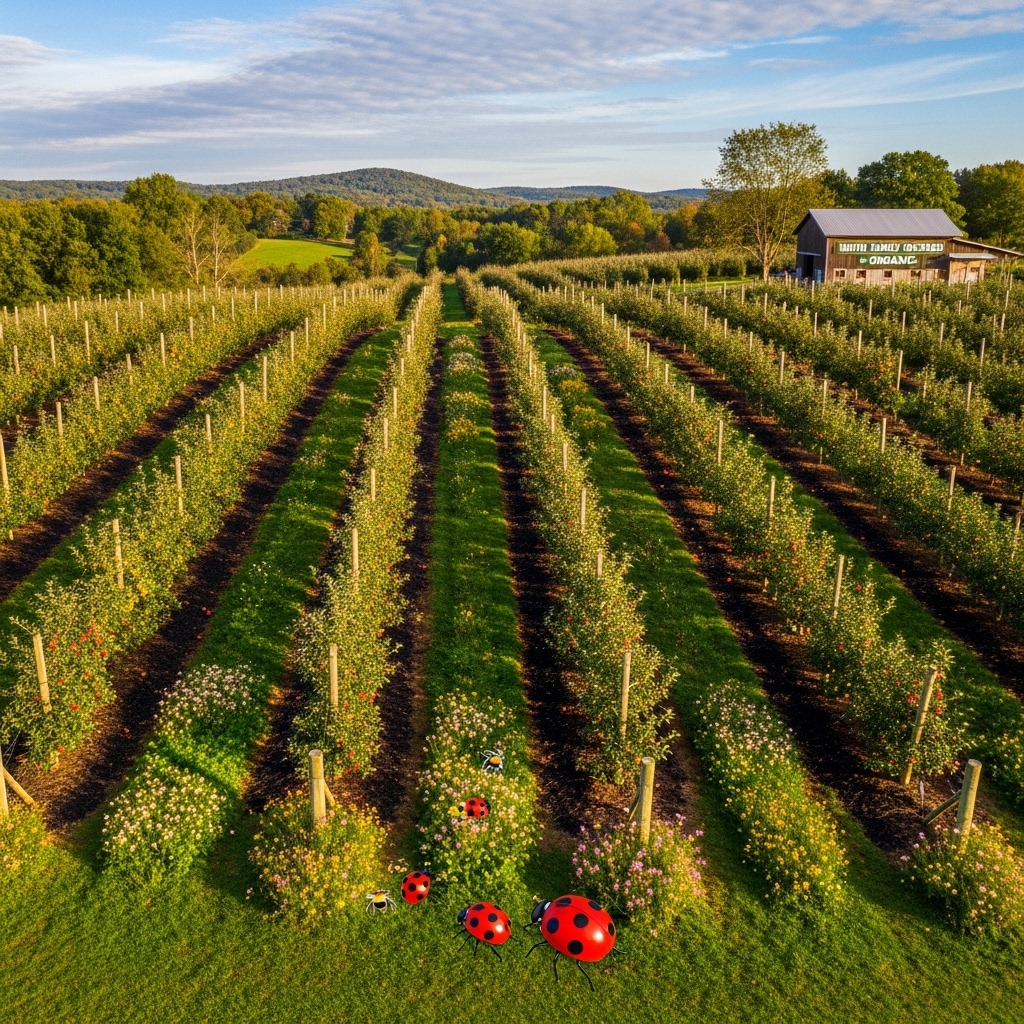
Organic orchards focus on soil health and natural cycles. Compost and mulch play key roles. Pest control relies on balance rather than chemicals. Trees develop stronger resilience. Long-term sustainability improves.
Container-Grown Apple Trees
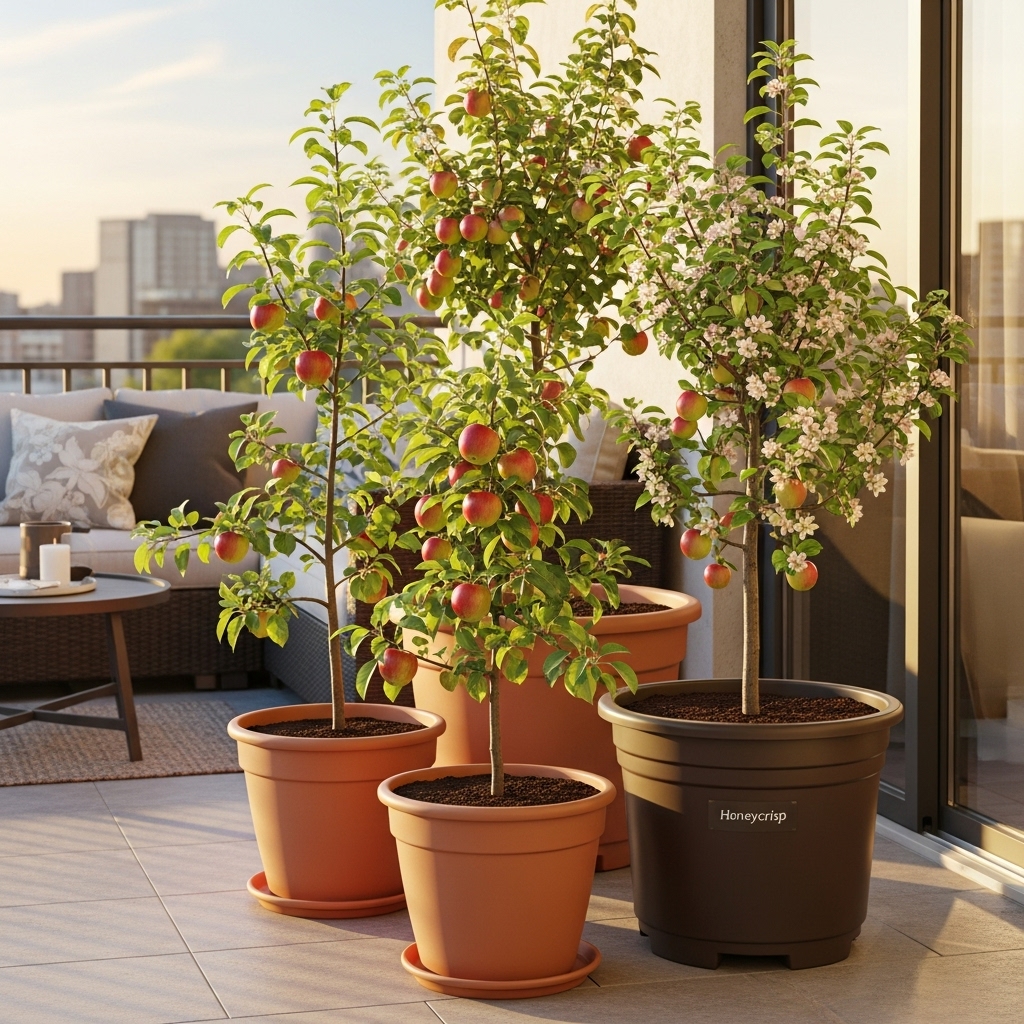
Dwarf apple varieties grow well in containers. This option suits patios and balconies. Containers allow easy relocation. Soil conditions remain controlled. It’s perfect for limited spaces.
Wildlife-Friendly Orchard Ideas
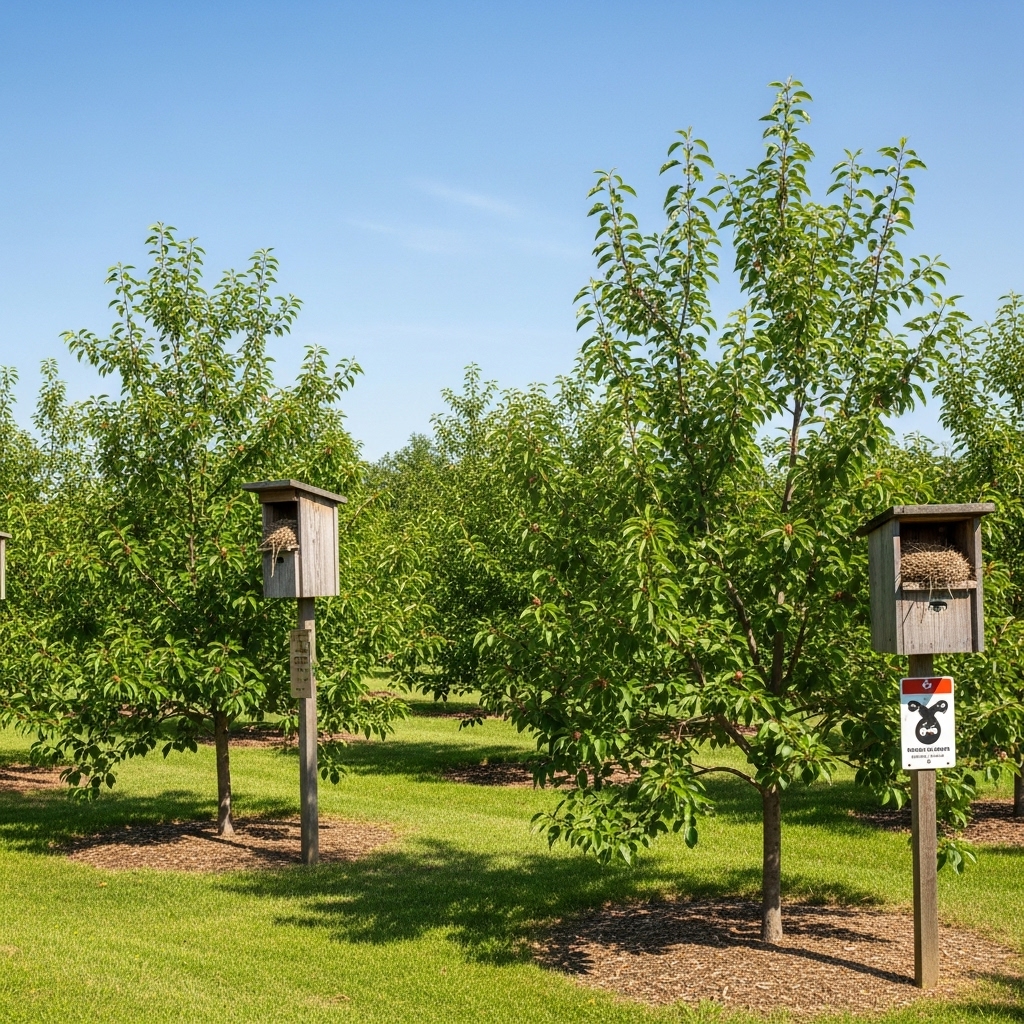
Birds and insects help control pests naturally. Nesting boxes support wildlife. Diverse planting reduces monoculture risks. This design creates harmony with nature. Orchards thrive with minimal intervention.
Dwarf Apple Tree Grid Systems
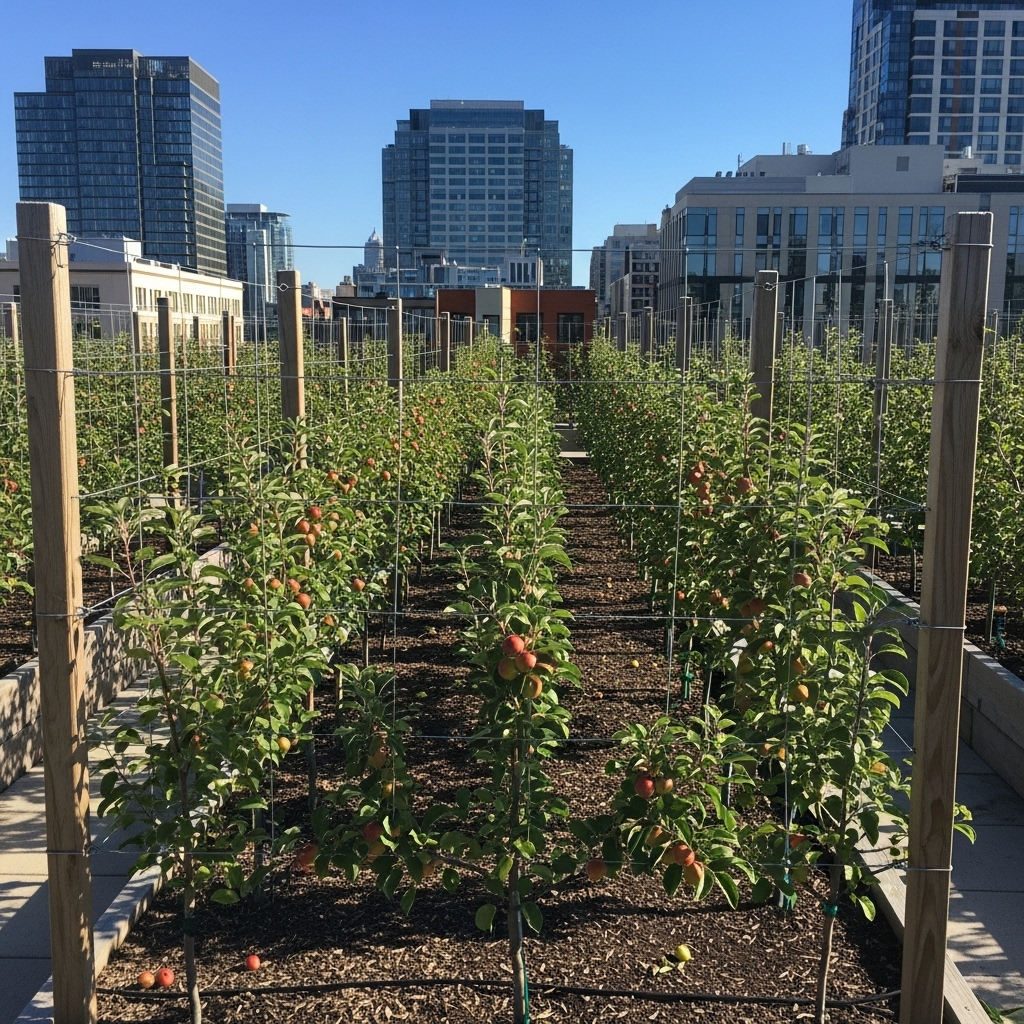
Dwarf trees fit small plots efficiently. They are easier to prune and harvest. Grid layouts keep spacing consistent. Productivity remains high per square foot. This is ideal for urban gardeners.
Seasonal Orchard Design Planning
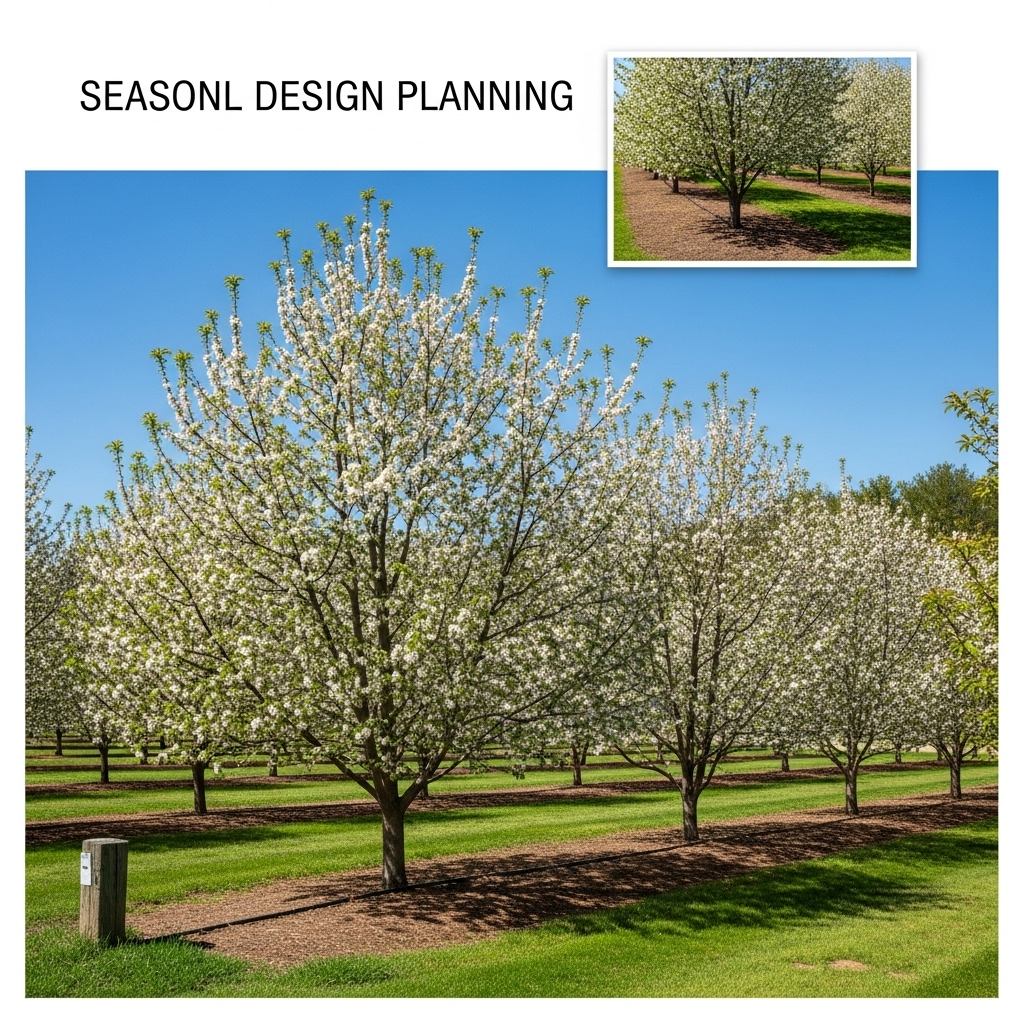
Seasonal interest keeps orchards attractive year-round. Spring blossoms and autumn harvests shine. Thoughtful plant choices add color beyond fruiting. This enhances visual appeal. Orchards become landscape features.
Educational Apple Orchards
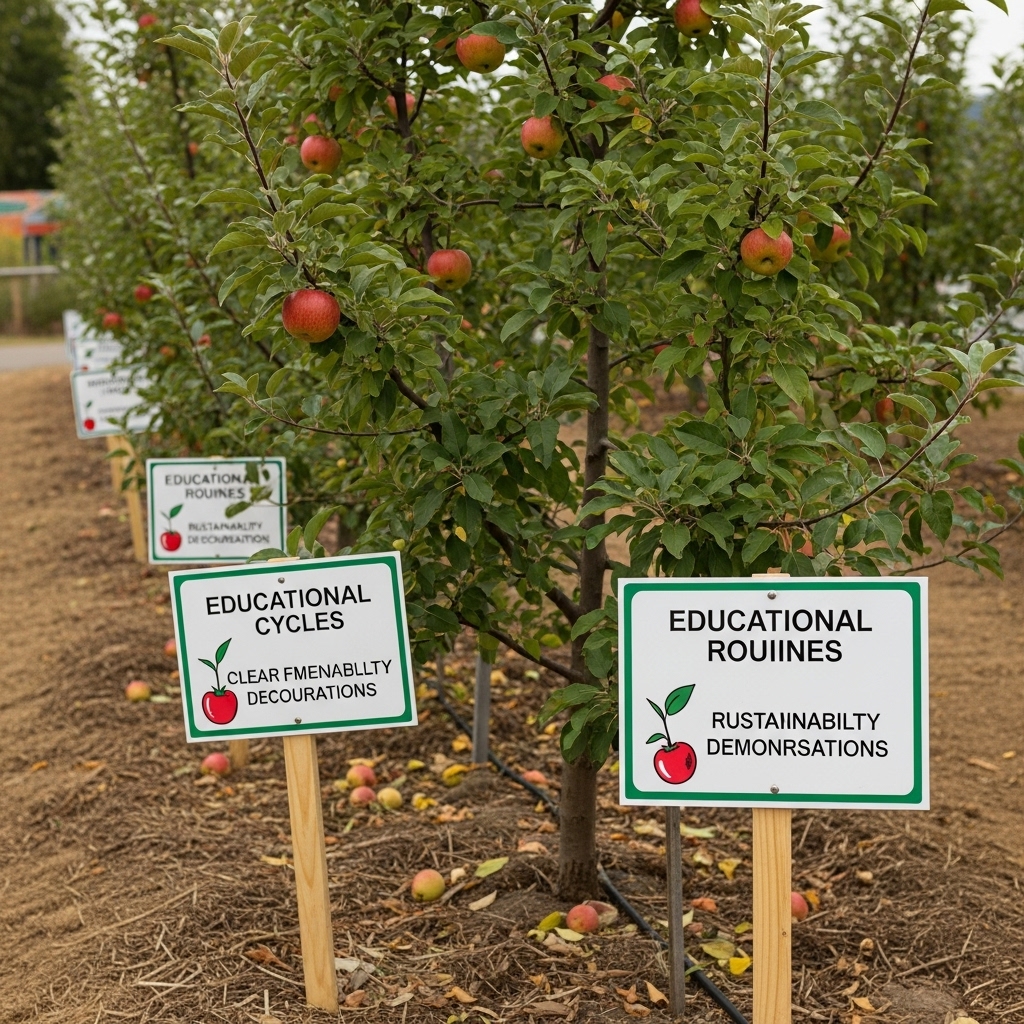
Educational orchards teach growth cycles and sustainability. They suit schools and community gardens. Clear labeling enhances learning. Maintenance routines become demonstrations. Knowledge sharing adds value.
Orchard Seating and Gathering Areas
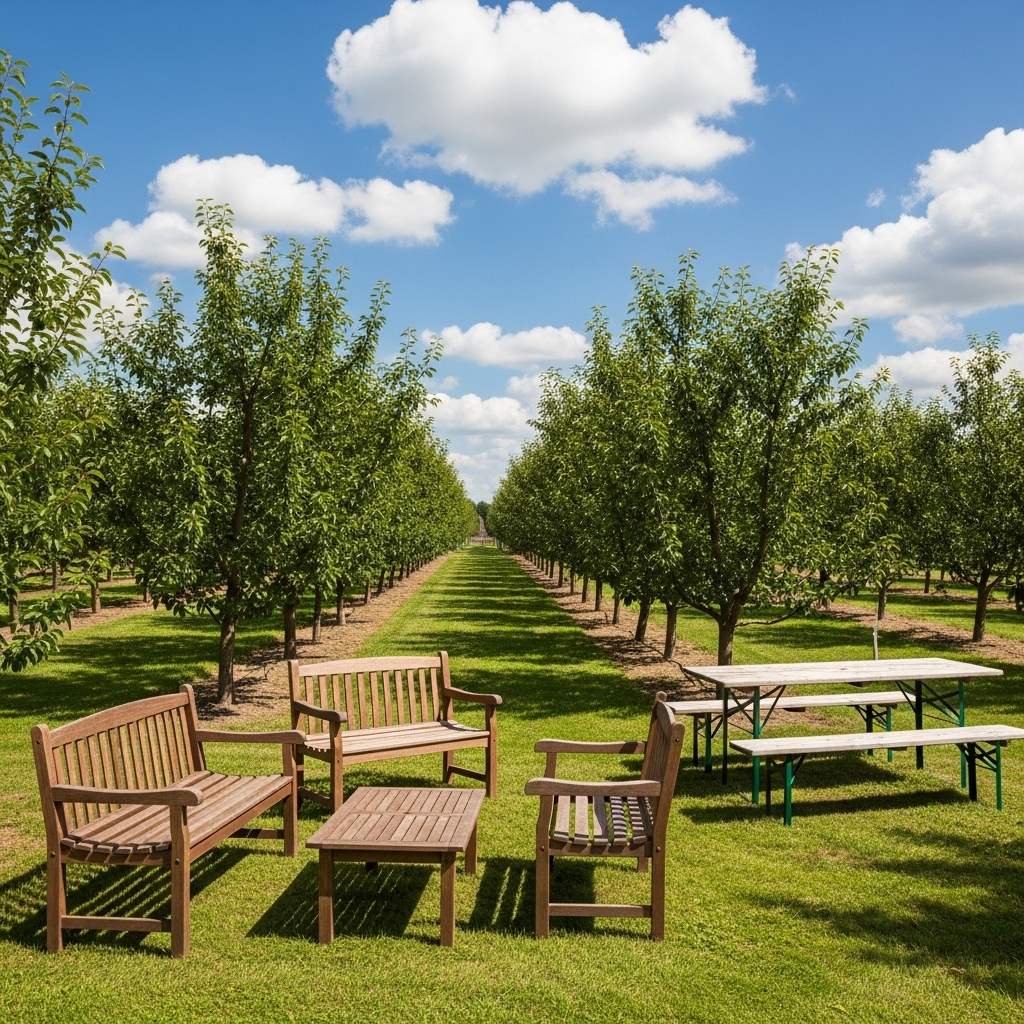
Benches or picnic tables invite relaxation. These areas encourage longer visits. Orchards feel welcoming rather than utilitarian. This supports lifestyle gardening goals. It blends productivity with comfort.
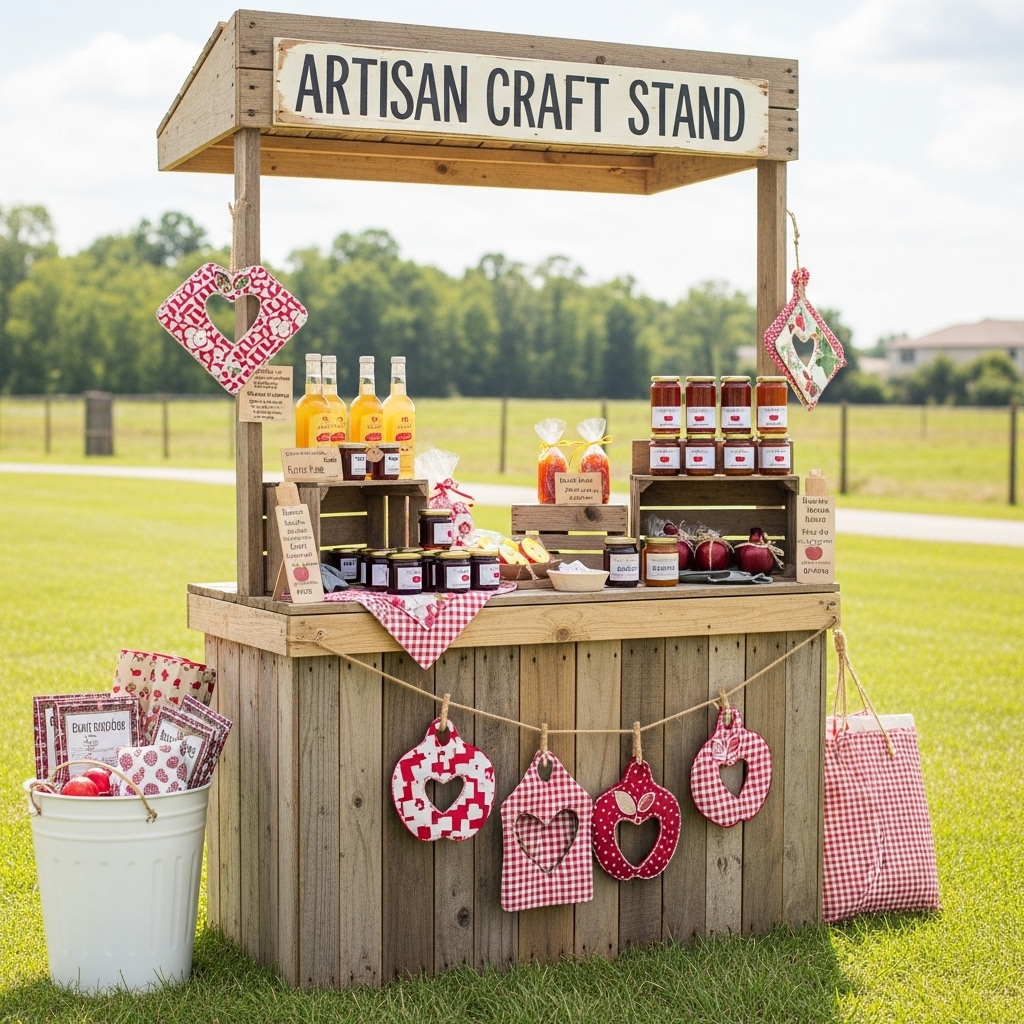
Market-Style Apple Orchard Concepts
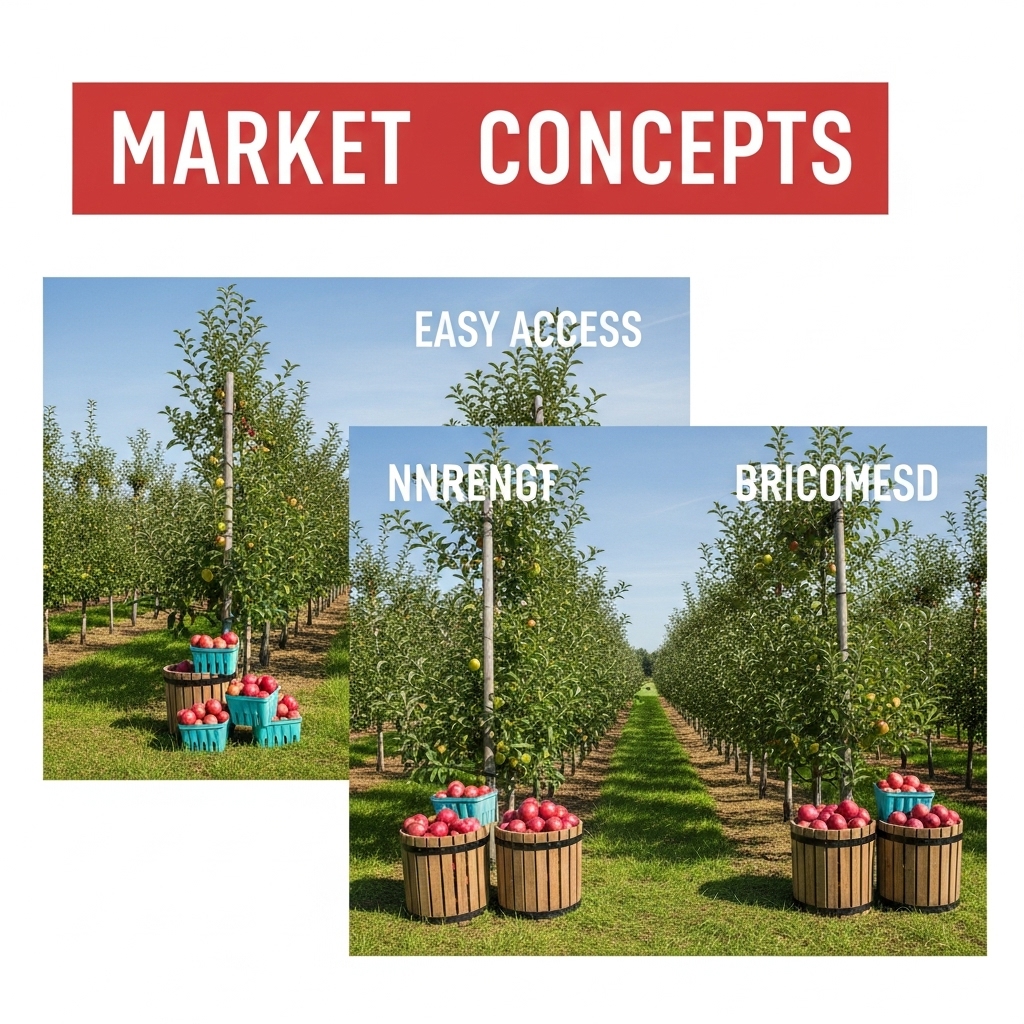
Small orchards can support local sales. Neat layouts improve customer experience. Easy access matters for harvesting and display. This approach adds income potential. Presentation becomes part of the design.
Practical Planning Tips for Apple Orchards
Good planning supports long-term success.
- Choose disease-resistant apple varieties
- Match tree size to available space
- Prioritize sunlight and airflow
- Plan irrigation early
- Allow room for growth and access
FAQs About Apple Orchard Ideas
How much space do apple trees need?
Spacing depends on tree size, but dwarf varieties require significantly less room than standard trees.
Can apple orchards work in small gardens?
Yes, espaliered and dwarf apple trees make orchards possible in limited spaces.
How long before apple trees produce fruit?
Most apple trees begin fruiting within three to five years.
Do apple orchards require a lot of maintenance?
With good planning and pruning, maintenance becomes manageable and seasonal.
Is pollination necessary for apples?
Most apple varieties need cross-pollination for consistent fruit production.
Conclusion
Creative apple orchard ideas allow gardeners to combine productivity with beauty. Thoughtful layouts support healthier trees, easier care, and better harvests. Whether large or small, orchards benefit from intentional design. These ideas help transform simple fruit planting into a rewarding landscape feature. With the right approach, an apple orchard becomes a lasting investment in both garden and lifestyle.