17 Unique & Unusual Vegetables to Grow in Your Garden for a Truly Standout Harvest

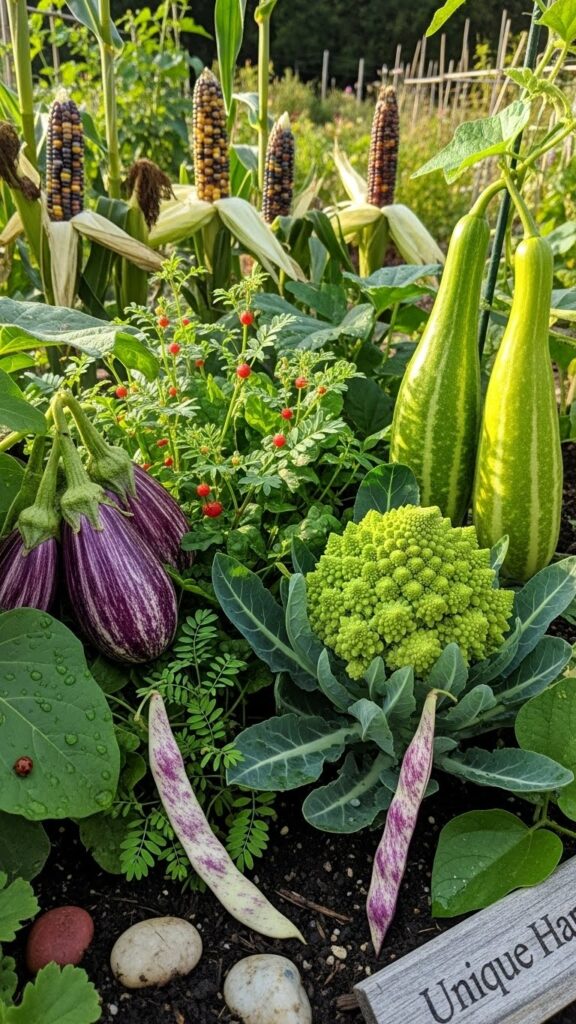
If you’re looking to move beyond tomatoes and cucumbers, growing unique and unusual vegetables can completely transform your garden experience. These lesser-known vegetables bring exciting flavors, interesting textures, and visual appeal that you won’t find in standard grocery stores. Many of them are surprisingly easy to grow and adapt well to home gardens. Adding uncommon vegetables also makes gardening more rewarding and sparks curiosity in the kitchen. This guide introduces standout vegetables that add diversity, creativity, and flavor to your garden.
Romanesco Broccoli
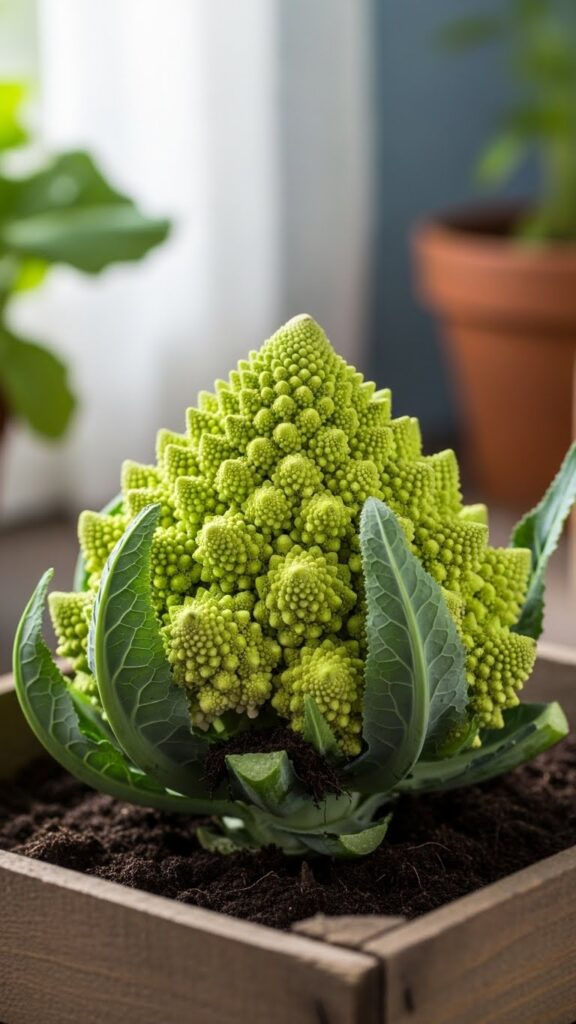
Romanesco broccoli is instantly recognizable for its striking spiral pattern and lime-green color. It has a mild, nutty flavor that sits between broccoli and cauliflower. This vegetable grows best in cool weather and well-drained soil. Its architectural appearance makes it both edible and ornamental. Romanesco is a favorite for gardeners who love visual impact.
Purple Carrots
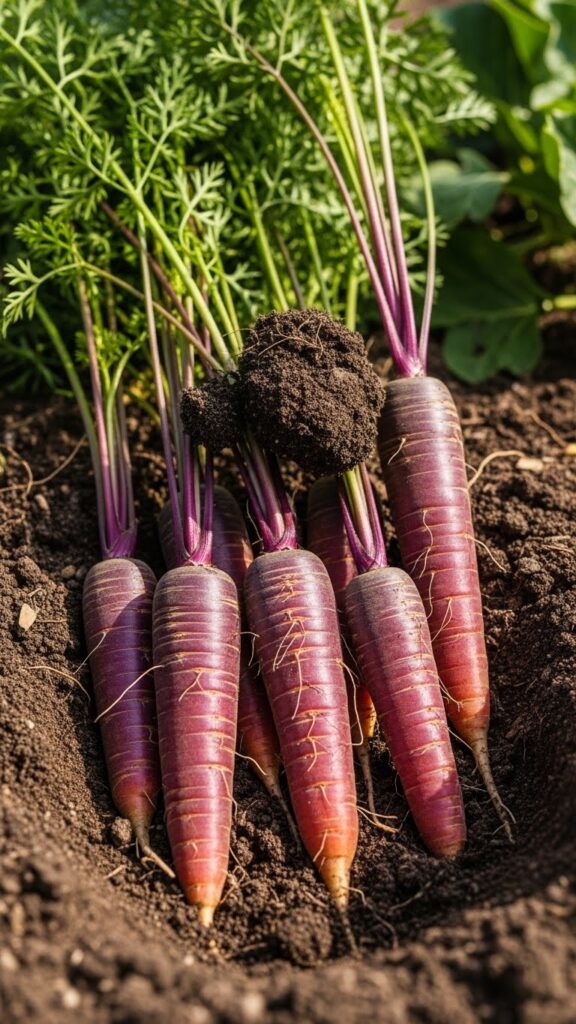
Purple carrots are rich in antioxidants and offer a deeper, earthier flavor than orange varieties. They grow similarly to standard carrots but stand out dramatically when harvested. Their vibrant color remains beautiful when roasted or used raw. Purple carrots also add interest to garden beds. They’re an easy way to add uniqueness without extra effort.
Yardlong Beans
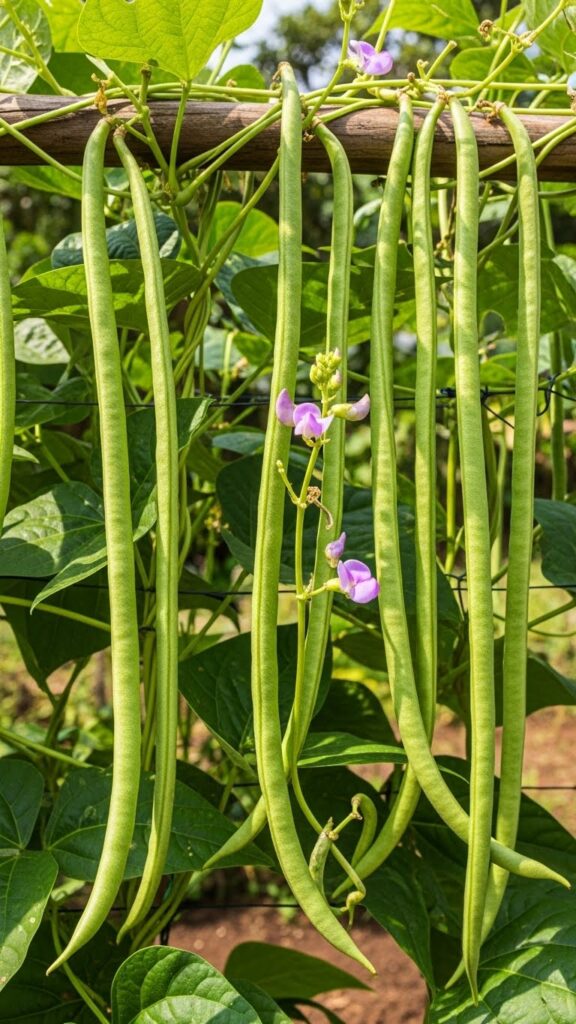
Yardlong beans produce impressively long pods that can reach up to three feet. They thrive in warm climates and grow vigorously on trellises. The flavor is mild and slightly sweet, perfect for stir-fries. These beans are productive and visually fun to harvest. They’re ideal for vertical gardening.
Kohlrabi
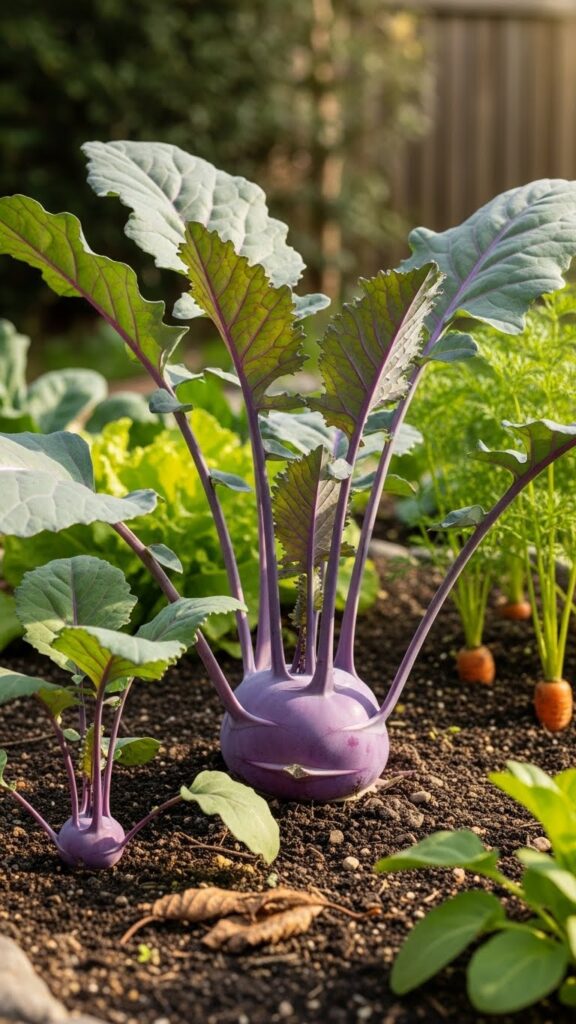
Kohlrabi looks unusual with its bulbous stem growing above ground. It has a crisp texture and mild, slightly sweet flavor. This vegetable grows quickly and works well in small gardens. Both the bulb and leaves are edible. Kohlrabi is versatile in cooking and easy to grow.
Cucamelon
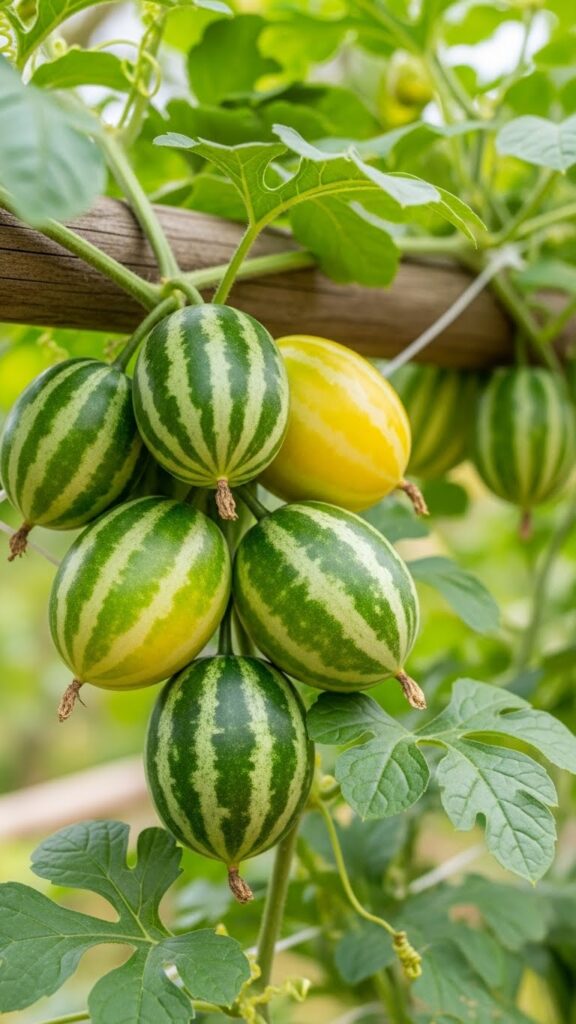
Cucamelons resemble tiny watermelons but taste like cucumber with a citrus twist. They grow on vines and are well-suited for trellises. These miniature fruits are great for snacking and salads. Cucamelons are hardy and surprisingly productive. Their novelty makes them a garden favorite.
Oca
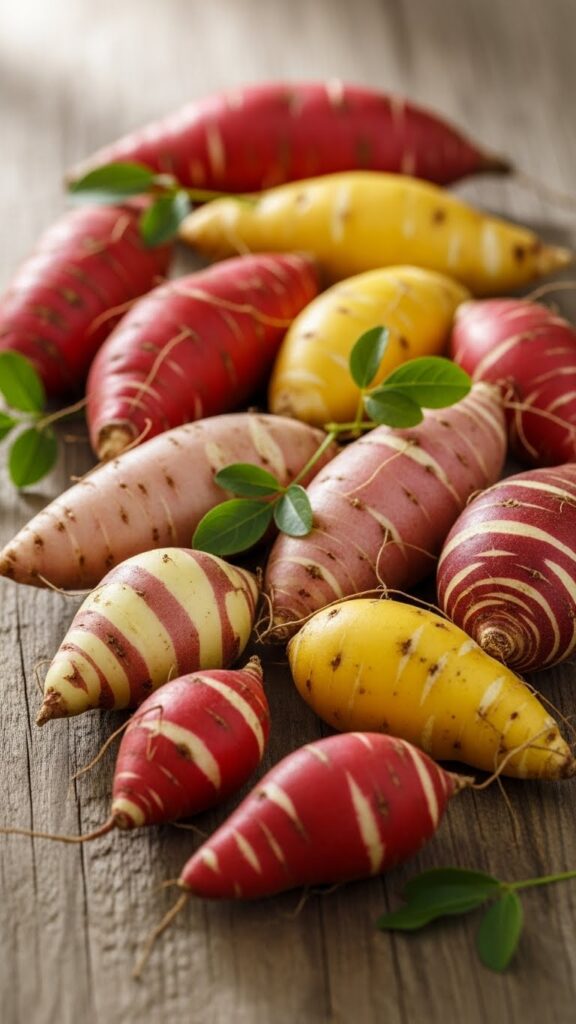
Oca is a colorful tuber originally grown in the Andes. It produces small, vibrant tubers in shades of red, yellow, and pink. Oca prefers cooler climates and grows late into the season. Its flavor is tangy and slightly lemony. This vegetable adds diversity to root crop harvests.
Chinese Long Eggplant
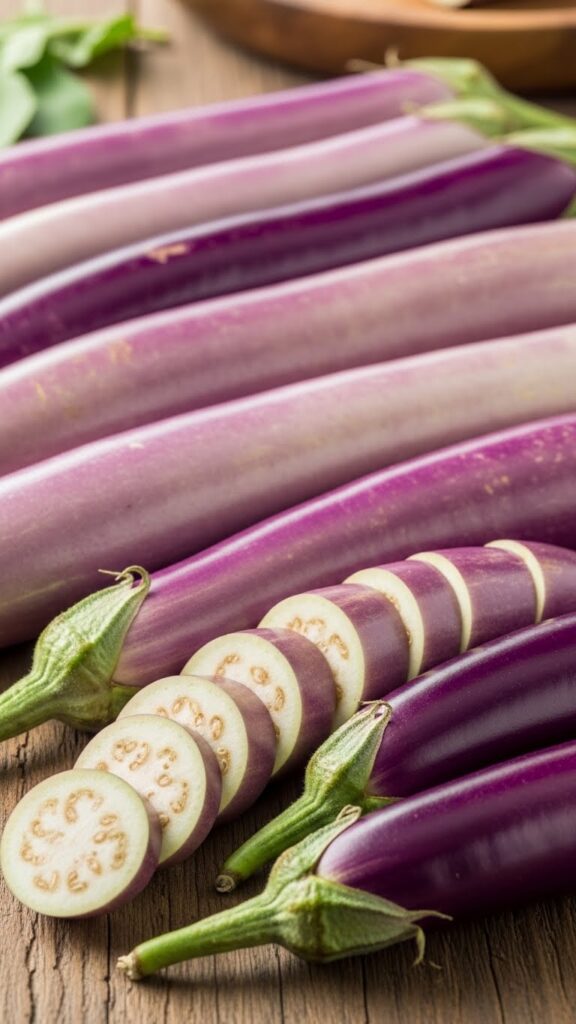
Chinese long eggplant has a slender shape and tender flesh. It lacks the bitterness found in some traditional eggplants. This variety grows well in warm weather and produces abundantly. Its smooth texture makes it ideal for grilling and stir-frying. It’s both productive and flavorful.
Salsify
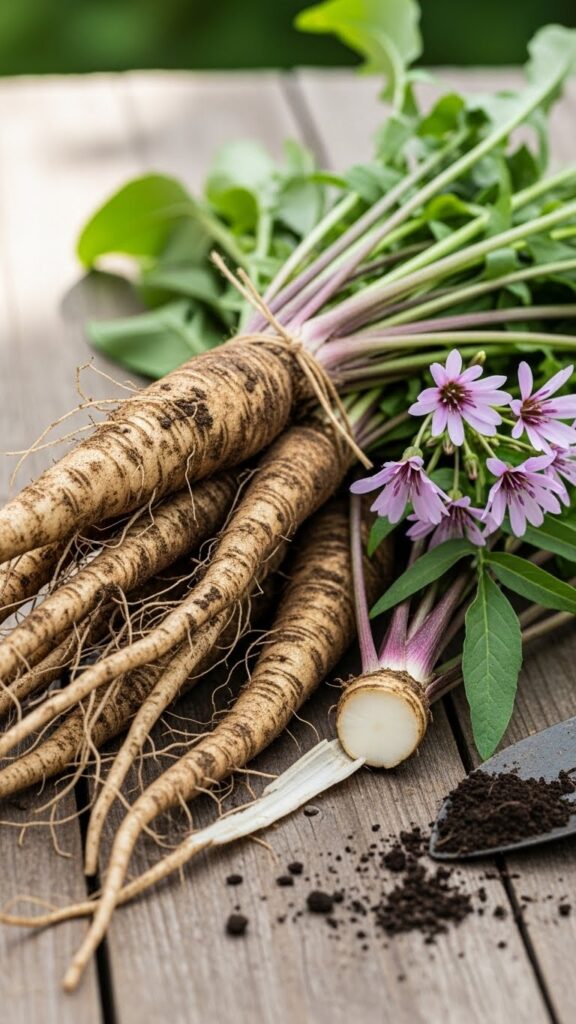
Salsify is a root vegetable often called the “oyster plant” due to its subtle seafood-like flavor. It grows well in loose, deep soil and takes time to mature. The long roots require patience but are worth the wait. Salsify adds a gourmet element to home gardens. It’s uncommon but rewarding.
Malabar Spinach
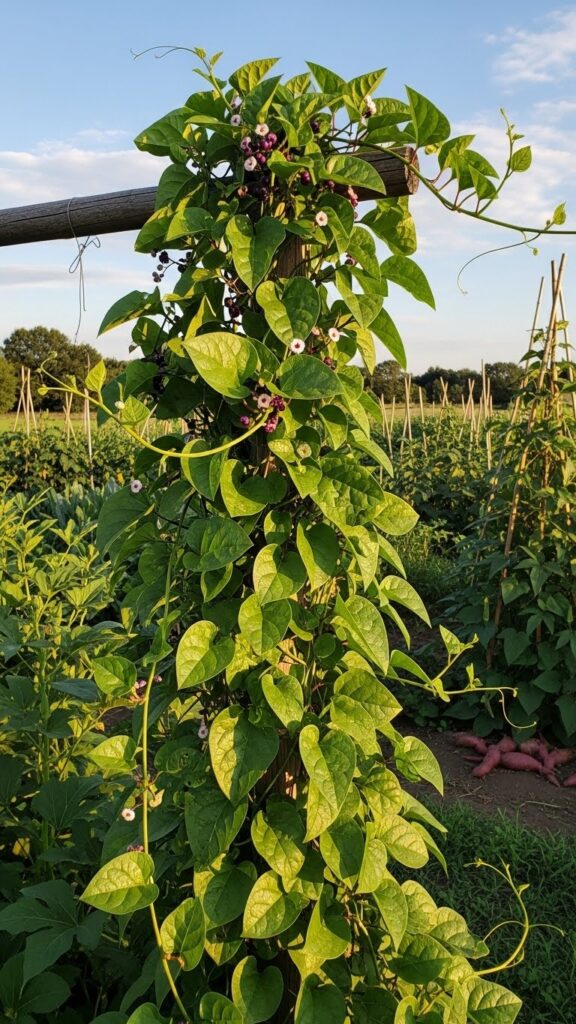
Malabar spinach is a heat-loving leafy green that thrives when regular spinach bolts. It grows as a climbing vine with thick, glossy leaves. The texture is slightly mucilaginous when cooked. Malabar spinach is excellent for warm climates. It’s productive and visually attractive.
Black Radish
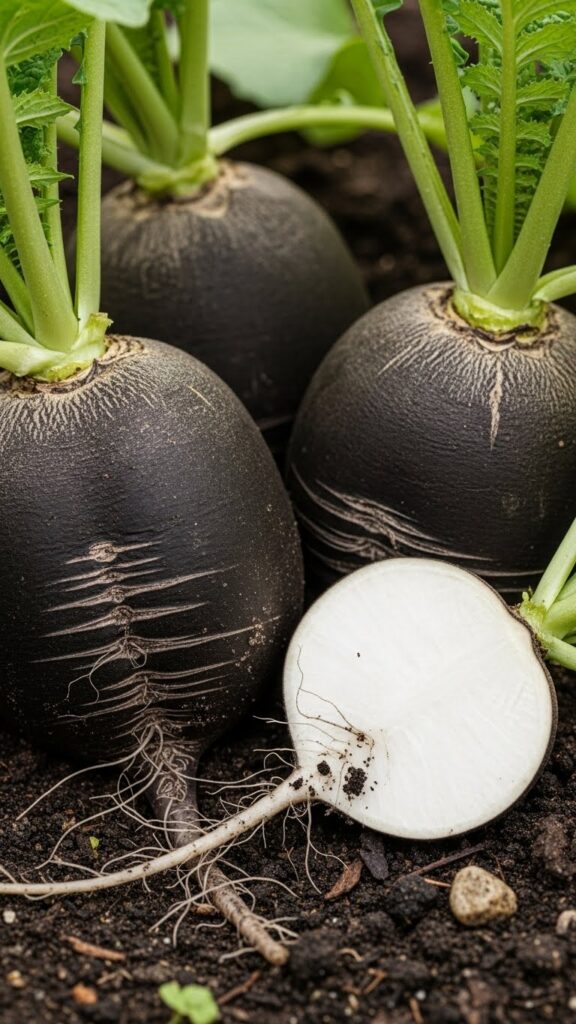
Black radish has a bold appearance and strong, peppery flavor. Its dark skin contrasts beautifully with its white interior. This radish grows larger than common varieties and stores well. It’s excellent for roasting or slicing thin. Black radish adds drama and depth to root gardens.
Cardoon
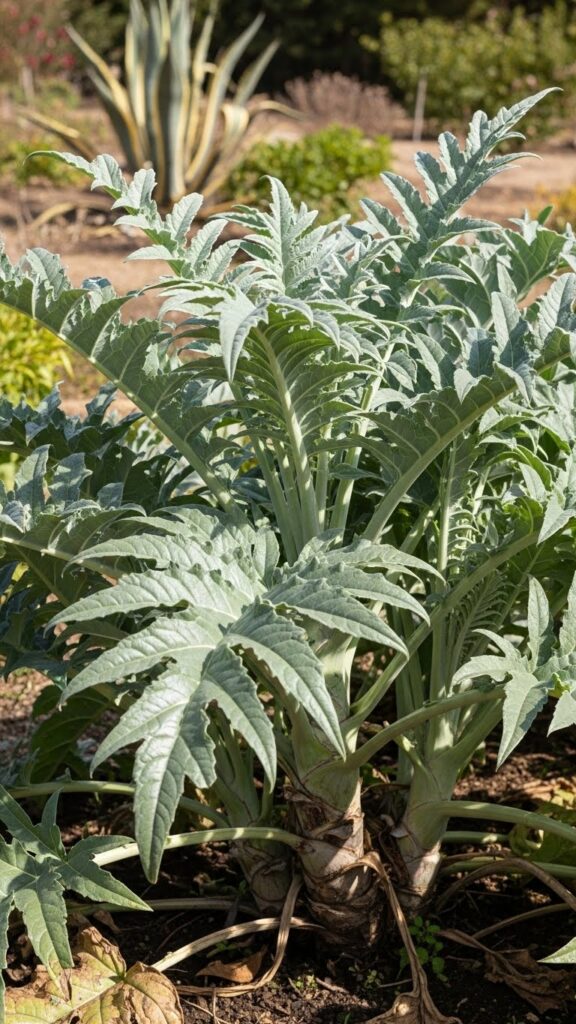
Cardoon resembles a large celery plant with dramatic silver-green leaves. It’s grown for its edible stalks and ornamental presence. Cardoon requires space and patience but rewards with a unique harvest. The flavor is similar to artichoke. It’s ideal for gardeners who enjoy bold plants.
Bitter Melon
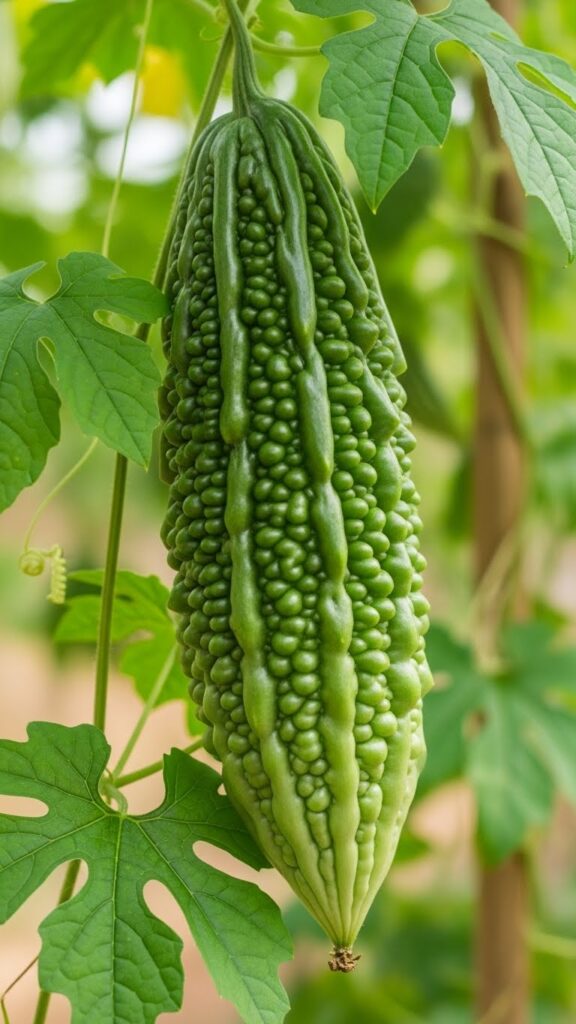
Bitter melon is known for its distinctive flavor and medicinal uses. It grows on vines and thrives in warm climates. The fruit has a bumpy surface and unique appearance. Bitter melon is commonly used in Asian cuisine. It’s an adventurous choice for experienced gardeners.
Celtuce
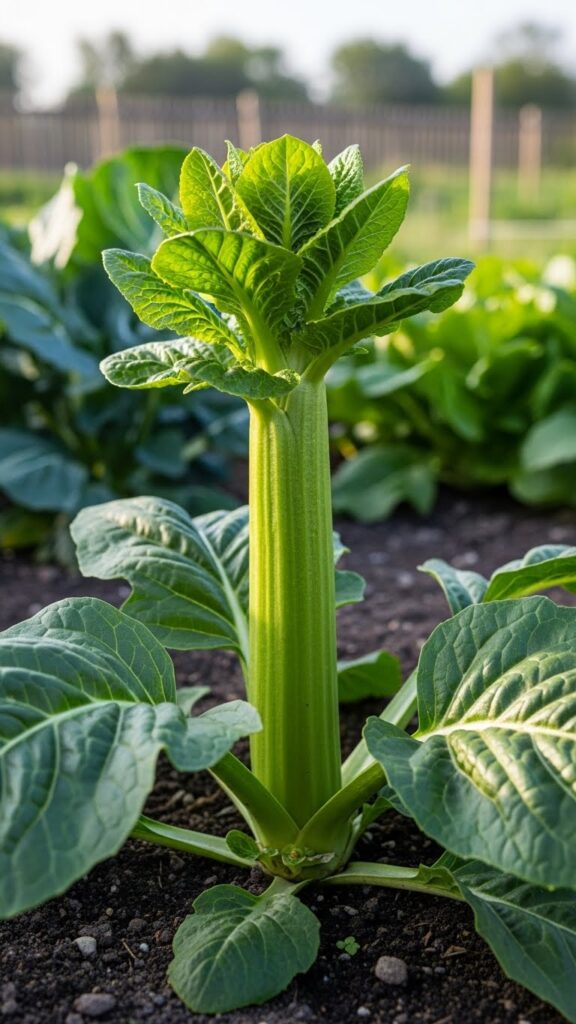
Celtuce is grown for its thick stem rather than its leaves. It has a crisp texture and mild flavor when peeled. This vegetable grows quickly and prefers cool conditions. Celtuce is popular in Asian cooking. It’s easy to grow and harvest.
Purple Podded Peas
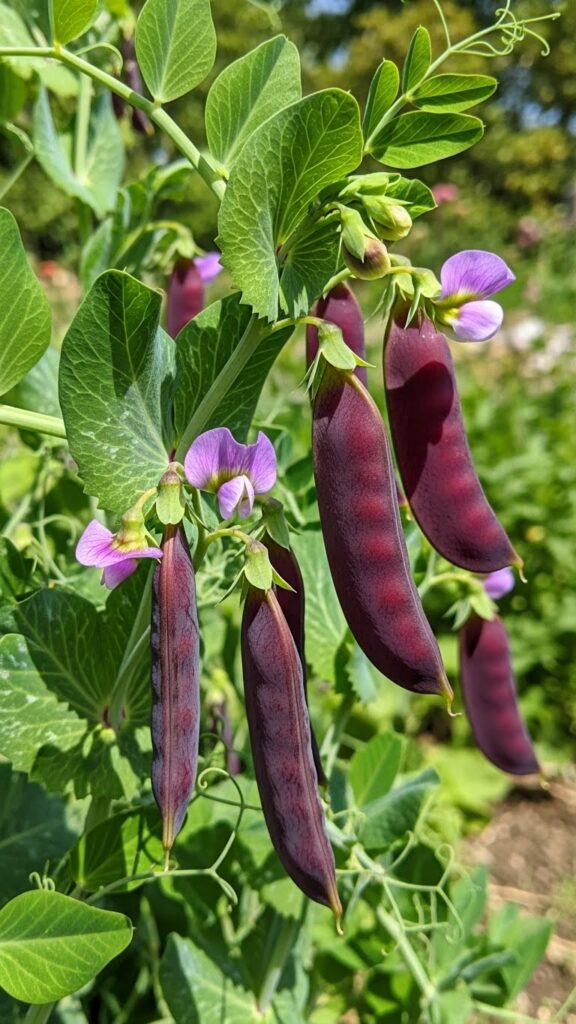
Purple podded peas grow in deep violet pods that turn green when cooked. They’re easy to grow and visually striking in the garden. The plants are productive and attractive. These peas add color without extra care. They’re great for beginner gardeners seeking something different.
Skirret
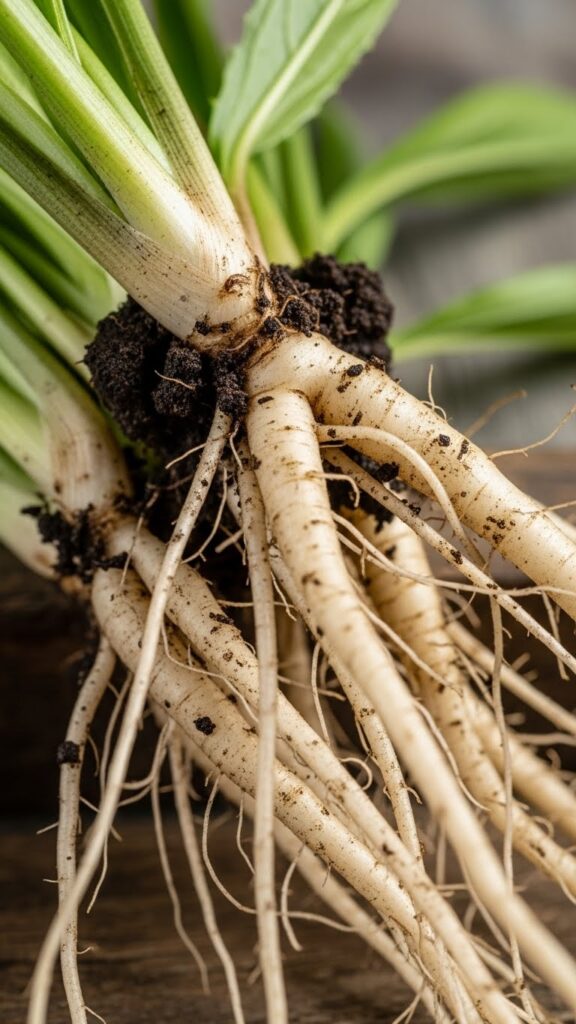
Skirret is a historic root vegetable with sweet, carrot-like flavor. It grows as clusters of slender roots. Skirret prefers moist soil and cooler temperatures. It was once popular in European gardens. This forgotten vegetable is making a quiet comeback.
Mashua
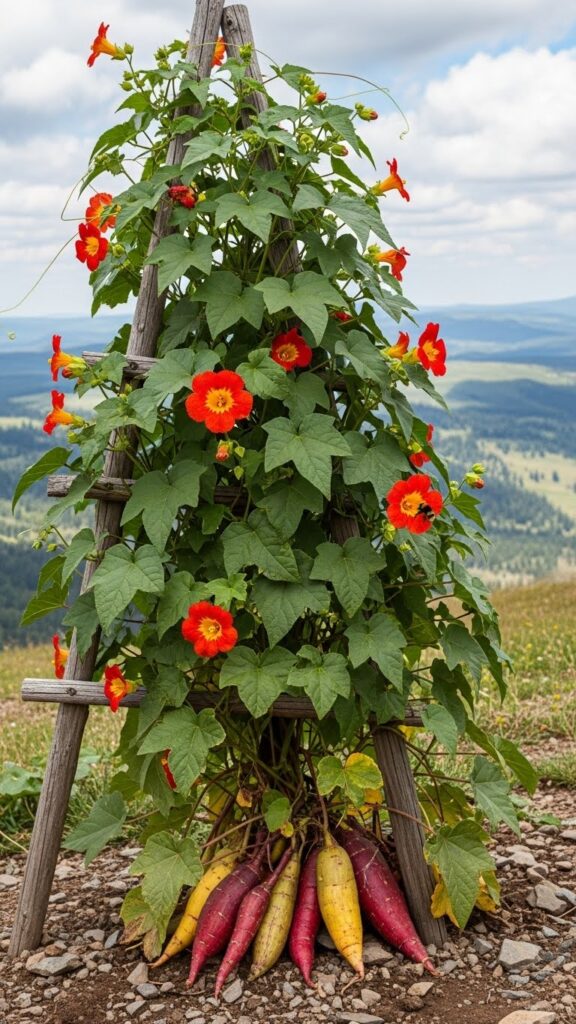
Mashua is a climbing tuber crop with bright, trumpet-shaped flowers. It grows well in cool climates and poor soils. The tubers have a spicy flavor when raw and mellow when cooked. Mashua also deters pests naturally. It’s both functional and decorative.
Tiger Nut
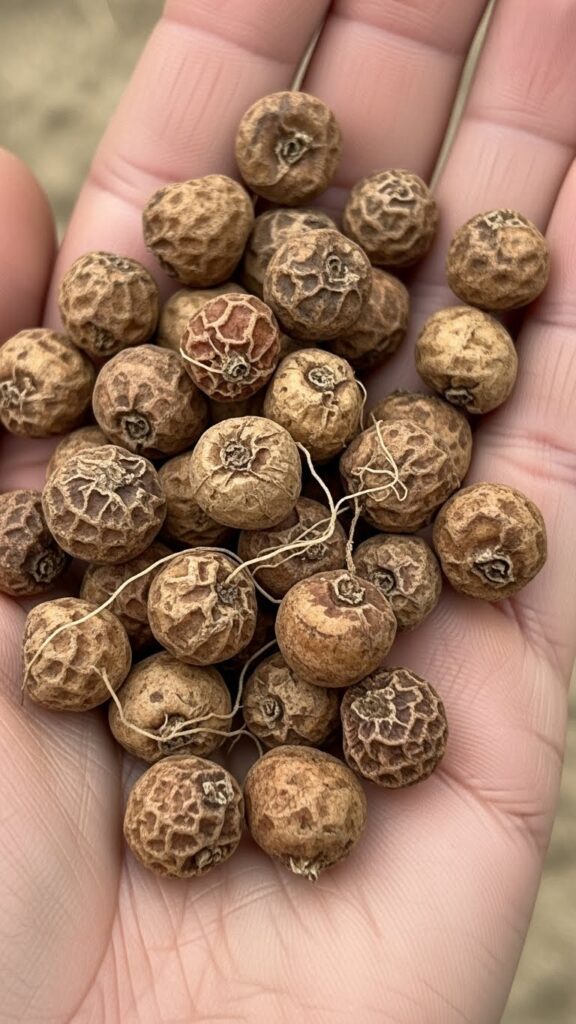
Tiger nuts are small tubers with a naturally sweet, nutty flavor. They grow well in warm climates and sandy soil. Despite the name, they are not nuts. Tiger nuts are used to make horchata and snacks. They’re unique and surprisingly versatile.
Frequently Asked Questions
Are unusual vegetables harder to grow?
Many unusual vegetables are just as easy to grow as common ones, as long as their climate needs are met.
Where can I find seeds for uncommon vegetables?
Specialty seed companies and online retailers often carry unique vegetable varieties.
Do unusual vegetables need special care?
Most require standard care such as proper soil, sunlight, and watering, with a few climate-specific needs.
Can these vegetables grow in small gardens?
Yes, many unusual vegetables grow well in containers or vertically.
Are unusual vegetables worth growing?
Absolutely. They offer better flavor, diversity, and a unique gardening experience.
Conclusion
Growing unique and unusual vegetables adds excitement, flavor, and visual interest to your garden. These crops encourage creativity and introduce new possibilities in the kitchen. Many of them are easy to grow and adapt well to home gardens. By stepping outside traditional choices, you create a more diverse and rewarding harvest. Unusual vegetables turn gardening into a true discovery experience.